The first time I heard the twins cry, I thought someone was hurt. The sound came through the walls of that big white house on the hill like a siren. I've worked in wealthy homes for thirty years, and I've heard children cry. Hunger, tantrums, skinned knees. This was different.
The Reeves estate sits on nine acres west of Austin, past the lake, where the houses are set back far enough that nobody hears anything. That's part of the problem. The crying stays inside those limestone walls, bouncing off the windows and the polished concrete floors until it feels like the house itself is grieving. The air conditioning runs at seventy-two, but some days the kitchen still smells like the tortillas from the taco place down by the water.
Owen and Sophie were two years old when I took the job. Their mother, Sarah, had died eighteen months earlier. Car accident on I-35. Drunk driver crossed the median just before midnight. Sarah was coming home from a friend's house in Round Rock. The twins were four months old, at home with the nanny.
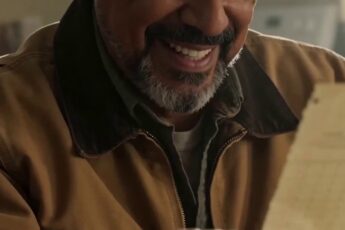
Daniel Reeves never spoke about it. Not to me, not to anyone. He just worked. Commercial real estate development—he'd built half the shopping centers in the Hill Country, office parks, apartment complexes, the kind of money where a person never has to think about a bill again. But money couldn't bring back Sarah. And money couldn't stop what those children carried.
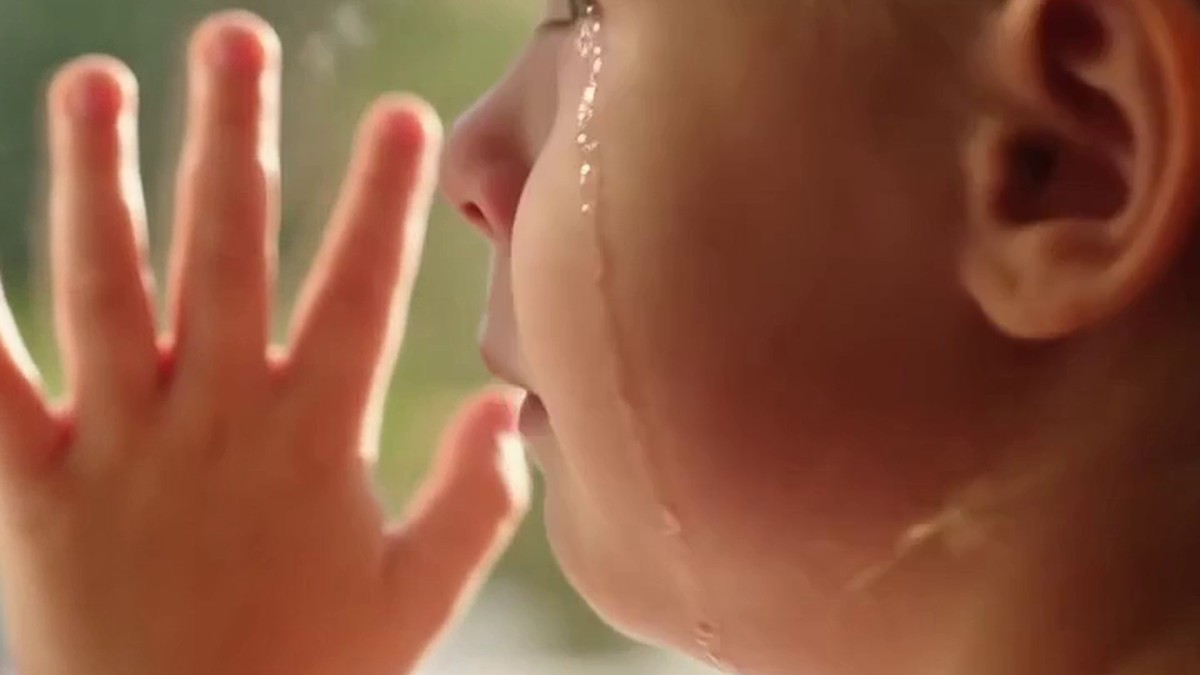
I'd seen grief in the families I'd managed. Divorces disguised as travel schedules. Addictions hidden behind charity galas. Children raised by rotating staff. But I'd never seen anything like those two babies. Owen would curl up in the corner with a stuffed elephant—Sarah picked it out before she died—and sob until his whole body shook. Sophie would stand at the nursery window, both hands pressed against the glass, crying toward the dark as if Sarah were still out there and just hadn't found the door.
We'd tried everything. Twelve nannies in eighteen months. Sleep consultants. Child psychologists. Music therapists. Weighted blankets. White noise machines. Lavender diffusers. A custom routine laminated and taped to the nursery wall. Nothing worked.
The worst part was Daniel. He loved those children—I know he did—but he couldn't bear to be in the room when they cried. It broke him. So he stayed away. Eighteen-hour days. Business trips that didn't need taking. He told himself he was building their future. I'd been around long enough to know the truth: he was hiding. And those children knew it.
I'd been looking for a new housekeeper for three weeks when Alma Reyes walked into the kitchen. Thirty-two years old. She'd come to the States from El Salvador eleven years before, with forty dollars and one suitcase. She'd cleaned hotel rooms in San Antonio. Scrubbed hospital floors. Worked nights at a laundromat. She didn't have references from fancy families or letters on embossed stationery. But she had something else.
She looked at me like I was a human being. Most applicants, their eyes went straight to the marble counters, the chandelier, the garden through the window. Alma looked at my face. She saw the tired lines around my eyes, the mug of cold coffee I'd forgotten next to the sink, the way I'd been running my thumb over a chip in the counter for the past hour.
"This is not an easy house," I told her near the end of the interview.
She tipped her head. "I understand."
"The children… they carry a lot of grief for such small people."
Her eyes changed. Not pity—recognition. Something older than that.
"Children always know," she said. "They know when something is missing."
I hired her before lunch. What I didn't mention was that she'd be bringing her daughter. Maya. Three years old. Dark curls, brown eyes, and a red sweater with a strawberry on the front. A tiny thing, but she had a way of looking at you that made you feel seen in a way you weren't prepared for.
Alma's first morning, she came with Maya on her hip. The twins were already crying. They'd started at five. The sound rolled through the house like weather.
I showed Alma the supply closets, the laundry room, the staff entrance, the cleaning schedule. Maya stayed on her mother's hip, watching everything with those big dark eyes. We got to the nursery just as Hanna—the current nanny, a patient woman from Finland who'd lasted three months, longer than almost anyone—looked like she was about to collapse. Owen was in the corner with his elephant. Sophie was at the window.
I started to steer Alma past. "This isn't your responsibility—"
"Down," Maya said.
Alma looked at me. "She's very observant."
"Down, Mama."
It wasn't a request. It was a command, delivered with the complete confidence only a three-year-old can possess. Alma set her down. I didn't stop them. Something in my gut said not to.
Maya walked into the nursery. Hanna looked up, startled, but I put my hand on her arm. Maya went to Sophie first, not Owen. Sophie was still at the window, her small body shaking. Maya walked over and stood beside her. Then she placed her small hand on Sophie's back.
Sophie went rigid. It was the first time anyone had touched her during one of those episodes without trying to pick her up or distract her. Just a hand on her back. Present. Waiting.
Then Maya said, "Miss your mama?"
Sophie's wet face turned. A tiny dip of her chin.
Maya reached out and took Sophie's hand. "It's okay. I miss my abuela. She's with God now."
I felt the breath leave my chest. This tiny girl, speaking with the wisdom of someone who'd already learned about loss. Alma stood behind me, her hand over her mouth.
Maya led Sophie back to the center of the room. Owen was still crying in the corner, his elephant clutched against his chest. Maya sat down cross-legged in front of him. She picked up a soft block near her foot and extended it toward him. Owen didn't take it. She didn't lower her hand. She just waited. Patient in the way some children are patient—without pride, without agenda, without thinking the moment should obey her timing.
Owen's crying slowed. One sob. Another. His wet face lifted. He looked at Maya. She gave him a look I can only describe as welcoming—like they were old friends who'd just met again in a yellow room full of toys.
Owen reached out and took the block.
Sophie sat down beside Maya. Maya leaned over and rested her small dark head on Sophie's shoulder. That was all. No song, no rocking, no professional method. Just nearness. A tiny body saying without language: I see you. I am here. You don't have to be sad alone.
Sophie let out one last shuddering breath. Then she stopped crying.
Hanna covered her face. Alma looked at her daughter like she was seeing a miracle she hadn't known she was carrying. I stepped backward into the hallway, put one hand against the wall, and felt something I hadn't felt in that house for eighteen months. Hope.
Daniel came home two nights later at seven-fourteen. I heard the car engine cut. He sat in the back seat for several seconds. He always did that now—preparing himself for the sound, for the crying, for the helplessness waiting inside the beautiful house he'd built.
He stepped out of the car, walked into the foyer, and stopped. The house had gone still. Not the tense stillness after the twins had cried themselves out. Not the staff's careful hush, afraid to wake the grief again. This stillness was different. Warm. Alive.
Then he heard laughter.
Small, bubbling, impossible. He walked down the hall without removing his coat. In the sitting room, Owen and Sophie were on the floor. Laughing. Both of them. Owen lay on his back kicking his feet in the air. Sophie clapped her hands so hard she nearly tipped over. And in the center of the room, making the most ridiculous faces I've ever seen, was a tiny girl in a red strawberry sweater.
She puffed her cheeks. Crossed her eyes. Made a sound like a deflating balloon. Owen shrieked. Sophie copied the sound badly and laughed harder.
Daniel stood in the doorway. I watched his face change. Something in it cracked open.
Alma appeared from the kitchen, drying her hands on a towel. She froze when she saw him. "Mr. Reeves—I'm so sorry. She got away from me. I told her to stay in the kitchen."
"Don't." Daniel's voice came out strange. "Don't apologize."
He looked back at his children. Sophie had crawled to Maya and was squishing the little girl's cheeks between both hands. Maya accepted this with noble patience. Owen tried to climb onto Maya's back while she kept making her ridiculous face, which only made them laugh harder.
"How long?" Daniel asked.
Alma hesitated. "Since Tuesday morning. She walked into the nursery. I couldn't stop her. They stopped crying. I don't know how to explain it."
"Don't explain it," Daniel said. "Please don't explain it."
He watched for another minute. Maybe two. Then he did something that surprised everyone in that room, including himself. Daniel Reeves, billionaire developer, widower, father of twins who'd been grieving since they were four months old, sat down on the floor in his expensive overcoat with his briefcase still over his shoulder.
Maya stopped making faces and looked at him. She studied him with those serious brown eyes. Then she picked up a small stuffed bear and extended it toward him. Patient. Unhurried. Unconditional.
Daniel's throat tightened. He reached out and took it. Maya looked at him like he was someone she knew. Someone welcome. Someone safe.
I turned away. I'd been in that house long enough to know when a man needed privacy for his own soul.
That was three months ago. The crying didn't stop completely—grief doesn't work that way. But it changed. The twins learned to reach for someone when they were sad instead of disappearing into it alone. Daniel started coming home for dinner. Not every night, but more nights than not. He canceled a business trip to Chicago that would have been worth two million dollars in potential deals. I saw the email on his desk—he'd typed "cancel" and added one more line: "My children need me at home."
I did my part, too. Three weeks ago, I sat down with Alma in the kitchen. Her salary had gone from nineteen dollars an hour to thirty-five, with full benefits. I'd drawn up new papers myself—a new title, "household companion," not "housekeeper." I slid them across the counter. She took the pen, and her fingers shook.
Maya was on the floor with Owen and Sophie. The three of them were building something with blocks. Sophie kept knocking it over, and Owen would laugh. Daniel came in through the kitchen door just as Alma set down the pen. He saw the papers on the counter. He looked at me. I looked back.
"She's staying," I said. "With a title that reflects what she actually does."
Daniel's jaw tightened. For a moment, I thought he was going to argue about protocol, about how he hadn't been consulted. Then he looked at the children on the floor. Maya had put her arm around Sophie, who'd started to cry again—not the old grief, just a small, passing sadness about the fallen tower. Sophie leaned into her.
"Good," Daniel said.
He took off his coat and hung it on the hook by the door. Then he walked over to the children, sat down on the floor, and picked up a block.
"What are we building?" he asked.
Owen looked at him. Not the quick, avoiding look he'd been giving his father for months—a real look. "A castle."
Daniel turned the block over in his fingers, pressing his thumb into the corner like he was testing whether it was real. "Castles need strong foundations."
I went to my office and closed the door. Behind me, I heard Owen laugh. Daniel's voice, low and warm, asking Sophie if she wanted to add a tower. And the sound of blocks clicking together.
Outside, the cicadas had started their evening song—that Texas sound that always meant the worst of the heat was passing, that the nights would start to cool. For a long time, that sound had felt oppressive to me. Heavy. Like grief pressing down.
But now it just sounded like life. Noisy, persistent, unafraid.