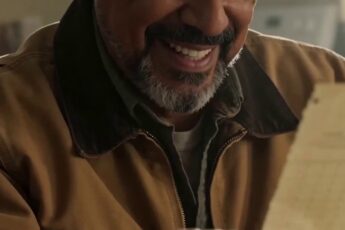
Nora stared at the card on Julian Cross’s desk.
A driver.
A quiet apartment.
A phone number for someone who handled situations properly.
Use any of it. Or none of it.
Those words mattered more than Julian could have known.
Because Grant had always made help feel like a trap.
If he picked her up, she owed him patience.
If he listened, she owed him agreement.
If he stayed calm, she owed him gratitude.
But Julian Cross had placed the card on the desk and stepped back, as if the choice truly belonged to her.
Nora looked toward the closed office door.
Beyond it, the gala continued. Music. Glasses. Soft laughter. All those elegant people still pretending the world was made only of polished floors and tasteful speeches.
Her world had been reduced to one simple thing.
Could she get out without Grant following?
Julian seemed to understand the question before she asked it.
“There is a back elevator,” he said. “It goes to a private exit. My assistant can ride down with you. The driver will take you wherever you choose.”
Nora swallowed.
“And you?”
“I’ll return to the ballroom.”
“Why?”
Julian’s expression did not change much, but his voice softened.
“Because men like him often look for the person who helped, not the person who escaped. I would rather he waste his attention on me.”
Nora looked at him then.
Really looked.
He was not trying to become the center of her rescue. He was simply moving one piece of danger away from the door.
“Why do you know how to do this?” she asked.
Julian was quiet for a moment.
On the desk behind him sat a framed photograph of a woman in a yellow sweater standing beside a lake, her hair caught by the wind. The photo looked too personal for such a formal office.
“My sister once needed a room full of people to notice,” he said. “Most of them didn’t. I learned late. But I learned.”
Nora did not ask more.
She understood the shape of grief even when she did not know its details.
A knock came at the office door.
Nora flinched.
Julian noticed, then turned his body slightly toward the door without moving closer to her.
“Come in.”
A woman in a navy dress entered with a coat over one arm. She was maybe in her late fifties, with silver hair pulled back neatly and kind eyes that didn’t rush.
“This is Elaine,” Julian said. “She’s worked with me for years. She’ll stay with you until you feel settled.”
Elaine smiled softly.
“Miss Nora, would you like your coat?”
Miss Nora.
Not sweetheart in that false way Grant used when he wanted her to feel foolish.
Not dramatic.
Not difficult.
Just Miss Nora.
“Yes,” Nora whispered.
Elaine helped her into the coat without touching more than necessary.
“Do you want to leave now?” Julian asked.
Nora looked at the card again.
Then at the door.
Then at her own hands, finally still.
“Yes.”
Julian nodded.
Not proud.
Not pleased with himself.
Just respectful.
“Then you leave now.”
The back elevator was narrow and quiet. Elaine stood beside her, not in front of her, and held a small black purse in both hands.
For three floors, neither of them spoke.
Then Nora said, “Everyone probably thinks I’m ridiculous.”
Elaine looked at the elevator doors.
“People think many things when they don’t have enough truth.”
Nora let out a shaky breath.
“I kissed a stranger in front of half the room.”
“You reached for the safest-looking doorway you could find.”
The words were so gentle that Nora had to close her eyes.
The elevator opened to a private corridor and then a side exit where a black car waited under the awning. The Chicago night was wet and shining. Streetlights reflected on the pavement. Somewhere nearby, someone laughed loudly under an umbrella, unaware that Nora felt as if she had just stepped out of a burning room no one else could see.
Elaine got into the car with her.
The driver did not ask questions.
That, too, felt like mercy.
The apartment was small, warm, and high above a quieter street. There were soft lamps, clean towels, a folded blanket on the sofa, and a little kitchen with tea, soup, bread, apples, and a jar of honey on the counter.
Nora stopped in the doorway.
“This is too much.”
Elaine placed the keys on the entry table.
“Sometimes the ordinary feels like too much when you have been living without enough peace.”
Nora looked at the jar of honey.
It reminded her of her grandmother’s kitchen. Toast, tea, an old radio playing in the morning, someone humming while butter melted on warm bread.
Her face crumpled.
Elaine did not crowd her.
“I can go,” she said. “Or I can make tea.”
Nora wiped at her eyes.
“Tea would be good.”
She sat at the small kitchen table while Elaine boiled water. Her phone rested on the table, turned face down. She could almost feel it breathing.
When she finally looked, there were messages from Grant.
Where are you?
Don’t embarrass yourself.
You’re making this worse.
I know you’re with him.
Answer me.
Nora pushed the phone away as if it had burned her.
Elaine set a mug in front of her.
“You do not owe a reply tonight.”
“He hates being ignored.”
“That is his feeling to manage.”
Nora stared at her.
That idea seemed impossible.
Grant had spent so long making his feelings her responsibility that she had forgotten they could belong to him.
She turned the phone off.
Her fingers shook afterward.
But the silence that followed was the cleanest sound she had heard in months.
That night, Nora slept on the sofa with the blanket pulled up to her chin.
She woke often.
At every hallway sound.
At every car passing below.
Once, she reached for her phone before remembering it was off.
But no one opened the door.
No one stood above her asking why she had not answered.
No one explained her own fear back to her until she doubted it.
Morning arrived gray and soft.
Nora woke to the smell of coffee.
Elaine had returned with a paper bag and a calm smile.
“Breakfast,” she said. “Only if you want it.”
Nora sat up slowly.
“Does Julian know you’re here?”
“He asked me to check whether you needed anything. He also said to remind you that you may refuse anything.”
Nora almost laughed.
“He says that a lot.”
Elaine placed the bag on the counter.
“People who have not been given choices need to hear them more than once.”
Nora wrapped the blanket around herself and walked to the table.
There were muffins, coffee, and a small container of berries.
She ate slowly.
Each bite felt like proof that her body was still hers to care for.
Around ten, there was a knock.
Nora froze.
Elaine raised one hand gently.
“It’s Mr. Cross. He will leave if you ask him to.”
Nora took a breath.
“Okay.”
Elaine opened the door.
Julian stood in the hallway with his hands visible at his sides.
He looked less imposing in daylight. Still powerful, yes. Still broad-shouldered and composed. But there was tiredness near his eyes, and something human in the way he waited for permission to enter.
“Good morning,” he said. “May I come in?”
Nora nodded.
He stepped inside but stayed near the doorway.
“I spoke with the event staff,” he said. “Grant was asked to leave last night. If he contacts the gala committee again, they know not to share anything about you.”
Nora looked down.
“Thank you.”
“There is also someone you can speak with today, if you choose. Her office handles protective planning, documentation, and next steps. You do not need to decide now.”
Nora held the warm mug in both hands.
“I need to get my things.”
Julian nodded once.
“From your apartment?”
“Yes. Clothes. Documents. My laptop. My grandmother’s ring.”
“Do you want Elaine with you?”
Nora glanced at Elaine.
The older woman smiled gently.
“I can come. Or someone else can. Or no one.”
Nora heard the choice again.
And this time, she answered sooner.
“You. Please.”
At her apartment building, the lobby smelled faintly of floor polish and someone’s cinnamon coffee. Nora’s reflection in the elevator doors startled her. Her hair was loose. Her eyes were swollen. Her dress from the gala was hidden beneath the coat.
She did not look composed.
But she looked awake.
Elaine stood beside her as she unlocked the door.
Inside, everything seemed exactly as she had left it and completely different at the same time.
A blue bowl in the sink.
A sweater over the chair.
A stack of unread books beside the window.
A framed print Grant had chosen because hers were “too sentimental.”
Nora went to the bedroom and pulled a suitcase from the closet.
She packed only what mattered.
Warm clothes.
Documents.
Her grandmother’s ring from the little ceramic dish by the mirror.
A box of letters from her sister.
Her sketchbook from the bottom drawer.
She almost left the sketchbook behind.
Grant had once flipped through it and said, “You draw a lot of windows. Is that supposed to mean something?”
She had stopped drawing after that.
Now she placed it carefully in the suitcase.
A buzz sounded from the intercom.
Nora stopped moving.
Elaine looked at her, calm but alert.
“You decide.”
Nora walked to the intercom but did not press the button at first.
It buzzed again.
She pressed it.
“Yes?”
“Nora.” Grant’s voice filled the room, smooth and low. “Open the door.”
Her stomach turned.
“No.”
A pause.
Then a soft laugh.
“Don’t be childish. We need to talk about what you did.”
Nora closed her eyes.
What you did.
As if her fear had been an insult to him.
As if leaving was something she had done at him instead of for herself.
“I’m not opening the door,” she said.
“You think that man cares about you?”
Nora looked toward the suitcase.
Her ring.
Her sketchbook.
Her papers.
Her life, gathered piece by piece.
“This is not about him.”
“Then who is it about?”
Nora’s hand trembled on the intercom.
But her voice came out clear.
“Me.”
Silence.
For one breath, two breaths, three.
Then Grant said, colder now, “You’ll regret making me look like this.”
Nora felt the old fear rise.
It was quick.
Familiar.
Almost convincing.
Elaine stepped closer, not touching her, just present.
Nora released the intercom button.
She did not answer again.
Grant buzzed twice more.
Then stopped.
When the lobby door finally closed below, Nora sat on the edge of the bed and cried.
Not because she had lost.
Because she had not opened the door.
Elaine sat in the chair across from her.
“You did well.”
Nora wiped her face.
“I only said no.”
Elaine’s voice was warm.
“Sometimes no is a whole staircase out of the dark.”
The next few weeks did not turn Nora into a fearless woman.
That was not how healing worked.
She still jumped when her phone lit up.
She still reread messages before deleting them.
She still woke some nights with her heart racing, sure she had forgotten to explain something.
But slowly, ordinary things came back.
Coffee before checking her phone.
A walk by the lake.
A morning when she chose a dress without imagining Grant’s opinion.
A call to her older sister that began with the words:
“I need to tell you the truth.”
Her sister, Kate, went quiet.
Then said, “Where are you?”
“Somewhere safe.”
“Do you want me there?”
Nora looked around the little apartment. At the blanket. The tea. The suitcase. The sketchbook on the table.
“Yes,” she whispered.
Kate arrived with a grocery bag full of things only sisters know to bring: thick socks, dry shampoo, soup, a toothbrush, chocolate, and the old gray hoodie Nora used to steal during college.
When Nora saw the hoodie, she burst into tears.
Kate dropped the bag and wrapped her arms around her.
“You should have called me sooner,” she whispered.
“I know.”
“We’ll work on that.”
And they did.
One day at a time.
Nora practiced saying what she meant.
She practiced not apologizing for needing quiet.
She practiced letting messages sit unanswered.
She practiced sleeping with the phone across the room.
She practiced drawing again.
At first, she only drew lines.
Then cups.
Then windows.
Then a door standing open near a lake.
Julian did not become the center of her life.
That was perhaps the safest part of him.
He checked in through Elaine once, then sent a single note weeks later.
You never have to turn your fear into evidence before you are allowed to protect yourself.
Nora placed the note inside her sketchbook.
Not because she needed Julian to save her.
Because she needed to remember that someone had believed her before she had the perfect words.
A month after the gala, Nora received an invitation to a smaller charity dinner in the same hotel.
She almost threw it away.
Then she saw the handwritten line at the bottom.
Only if you choose. No one will ask why if you don’t.
J.C.
She held the invitation for a long time.
Then, on the evening of the dinner, she put on a simple green dress, her grandmother’s ring, and the gray hoodie over her shoulders until the last possible moment.
Kate came with her.
The ballroom was smaller this time, but the same glass walls looked out over Chicago. The same lake, dark beyond the city lights. The same white flowers. The same soft music.
But Nora was different.
Julian stood near the grand piano. When he saw her, he gave a small nod.
“Nora.”
“Julian.”
He looked at Kate, greeted her politely, then turned back to Nora.
“Would you like to stay near the door, or are you ready to go in?”
Nora looked at the room.
Her body remembered the fear.
But it also remembered the apartment.
The word no.
Kate’s arms.
The sketchbook.
The open door she had drawn with her own hand.
“I’m ready,” she said.
And she stepped inside.
Not on Julian’s arm because she needed the room to misunderstand her.
Not beside a powerful man to make another man stop.
She stepped in with her sister.
Then, after a moment, alone.
People looked.
Some looked away quickly.
Some smiled in that awkward way people do when they remember they were silent at the wrong time.
Nora did not rush to make them comfortable.
Near the bar, a woman in a silver wrap approached her.
“I was here that night,” the woman said softly. “I saw him watching you. I saw you look afraid. I should have asked if you were all right.”
Nora held her gaze.
The woman’s eyes filled.
“I’m sorry.”
Once, Nora would have said, It’s okay, just to ease the moment.
This time she said, “Thank you for saying that.”
The woman nodded.
“I won’t ignore it next time.”
Nora gave her a small smile.
“That matters more than you know.”
Later, she stepped out onto the balcony.
Chicago glittered below. The lake moved like dark glass in the distance. Wind lifted a strand of hair from her cheek.
Julian came out after a while but remained near the doorway.
“Do you want company?”
Nora smiled faintly.
“That is a better question than Are you okay.”
“I’m learning.”
She looked out at the city.
“I’m not completely okay.”
He nodded.
“But more okay than before?”
“Yes.”
They stood quietly.
This time, silence did not feel like punishment.
It felt like space.
After a few moments, Nora said, “I was ashamed that I kissed you.”
Julian did not move.
“I thought people would think I was desperate.”
“And now?”
Nora looked down at her grandmother’s ring, small and steady on her finger.
“Now I think I was trying to keep myself from disappearing.”
Julian’s voice was gentle.
“That sounds like courage to me.”
Nora breathed in the cold air.
For the first time, the word did not feel too large for her.
The next morning, in the little apartment she had decided to keep for a while, Nora taped a page from her sketchbook to the wall.
It was the door by the lake.
Open.
Light spilling through.
No one standing on the other side to claim her.
No one blocking the way behind her.
Just a path forward.
Kate was asleep on the sofa, one sock missing, mouth slightly open, wrapped in the gray hoodie Nora had let her borrow back.
Nora made coffee.
Then she opened to a fresh page and wrote:
What I Choose Next.
Under it, she wrote:
Coffee before fear.
Draw even if the lines shake.
Answer only when I want to.
Call Kate before I pretend I’m fine.
Stay where I can breathe.
Remember that being believed is not a gift I have to earn.
She read the list twice.
Then added one more line:
I am allowed to stand with myself.
Outside, Chicago woke under a pale morning sky.
Inside, the apartment smelled like coffee, paper, and clean blankets.
Nora picked up a pencil and began a new drawing.
This time, she drew a ballroom.
Not the one from her fear.
A different one.
With open doors.
Soft light.
A woman standing in the middle.
Not hiding.
Not apologizing.
Not disappearing.
Dear readers, have you ever had someone believe you before you knew how to explain your fear? Or have you ever stood beside someone who needed a safe moment more than advice? Share your thoughts in the comments. Your words may help someone remember that asking for help is not weakness — sometimes it is the first step back to yourself.