Pixel hadn’t touched her bowl in three days. Dr. Abby slid it closer to the radiator, as if the warmth might coax something out of the tortoiseshell, but the cat didn’t so much as flick an ear. She lay curled on the clinic’s front windowsill, paws tucked, staring through the rain-streaked glass like she was waiting for a ghost.
Abby ran a finger along the ridge of Pixel’s spine. The fur was thick and warm, but beneath it, the ribs were sharper than they’d been a week ago. The exam room smelled of disinfectant and old coffee—the smell of a place where people worked more than they lived. Abby had stopped noticing it years ago, but standing there in the half-light of a Tuesday morning, it hit her like a wave.
The little blue collar sat in the top drawer of the reception desk, under a clutter of old pens and paper clips. Abby had taken it off Pixel the night the cat stayed over for the first time—after the woman in the gray raincoat dropped her off for a standard dental cleaning and never came back. She’d said, “I’ll be back by three,” and then vanished. Abby waited two weeks, then brought a fleece blanket from home and stopped calling the number on the file.
The tag on the collar had a name—Pixel—and a phone number so worn it was just a silver blur. Abby never tried to decipher it. A person who abandons a living thing doesn’t deserve a phone call.
She’d put the collar in the drawer three years ago and never touched it again. Dust gathered around it in a perfect rectangle.
The call came at 9:15, while Abby was refilling the kettle in the break room. Jodi, the vet tech, answered at the front desk, then walked back with the cordless phone held against her hip, mouth tight.
“Some woman. Says she left her cat here three years ago. A tortie named Pixel.”
Abby took the phone. The voice on the other end was quiet, almost hesitant. Her name was Renee, and she wanted to know if the cat was still there. If she could come and get her.
“Where have you been for three years?” Abby’s voice came out flatter than she meant. “That cat’s been living in this clinic on borrowed time. No home, no family. You left her after a teeth cleaning and you never came back.”
A long pause. Rain drummed on the roof.
“I understand,” Renee said, and her voice didn’t crack. “May I just… come see her? Please.”
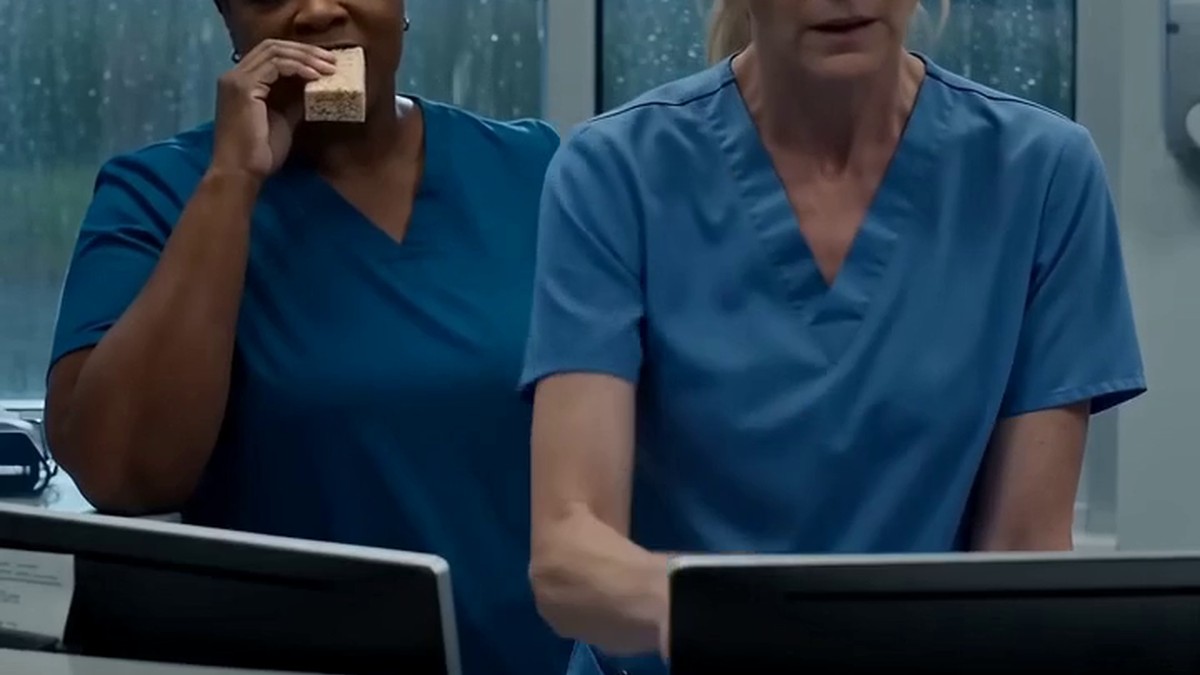
Abby said she’d think about it and hung up. Jodi leaned against the doorframe with a half-eaten granola bar in her hand.
“Is that the one who ditched her? I remember her eyes were all red when she brought the cat in. Looked like she’d been crying for a week. I figured she was just some wreck.”
“You didn’t tell me that,” Abby said.
Jodi shrugged. “You were pretty set on ‘she’s a monster.’ Didn’t think it mattered.”
Abby called Renee that evening and told her no. She wasn’t giving the cat to someone who’d thrown her away like a piece of luggage. Renee didn’t argue. She said, “Okay. I get it,” and hung up, and the dial tone buzzed in Abby’s ear a long time before she set the phone down.
Two days later, Renee showed up.
Abby saw her through the frosted glass of the front door—a thin shape in an oversized coat, collar pulled up against the drizzle. She stood there without knocking, shoulders hunched, not moving. Pixel lifted her head from the windowsill for the first time in three days. She rose, stretched, and padded silently to the door. Sat down with her tail curled around her paws, and stared at the glass.
Abby didn’t move. The kettle whistled. She stayed against the wall, hand pressed to the cold tile, watching that silhouette until it turned and walked away into the rain. Pixel sat at the door until the light outside had gone gray and purple, and when Abby carried her to the back room, the cat looked over her shoulder at nothing at all.
Jodi said nothing, just jiggled the stubborn front door lock and muttered they should replace it. Abby didn’t replace it.
The envelope was there the next morning, slipped under the door before Abby arrived. Plain white, no stamp, just her first name written in small, careful letters. She picked it up with two fingers, like it might be hot. It smelled faintly of lavender, and her stomach dropped before she even opened it.
Inside: a hospital discharge summary dated three years ago. A pathology report. Words like *invasive ductal carcinoma*, *mastectomy*, *chemo port placement*. A second page—a letter from an oncologist confirming two years of remission. And a handwritten note on a torn piece of notebook paper.
*“I left Pixel because I didn’t know if I’d live. The chemo was six months, then radiation, then surgery. I was in the hospital for weeks at a time. I couldn’t take her with me, and I couldn’t leave her alone in my apartment to starve. This clinic was the only place I knew would keep her safe. I called every month that first year. The woman who answered always said the doctor had taken Pixel home and she was doing well. I thought you’d adopted her. I thought she was happy. I didn’t want to come back until I could stand on my own two feet. I promised her I’d come back.”*
There was a photograph tucked into the crease. A woman with a soft fuzz of regrowing hair, pale and tired, holding a tortoiseshell cat against her chest like the most precious thing in the world. The cat—Pixel—was rubbing her face against her chin, eyes half-closed.
Abby sat down on the linoleum floor, back against the supply cabinet. She read the note four times. Pixel walked over and settled in her lap, purring faintly, and Abby pressed her face into the warm fur and breathed.
She called at noon.
“Renee. Come get your cat.”
Forty minutes later, the same thin woman in the same coat stood in the entryway, and this time Abby opened the door. Renee’s eyes were dry but red-rimmed, and she held herself like someone who’d been carrying something heavy for a very long time.
Pixel was on the windowsill. When Renee stepped inside, the cat turned. She didn’t run. She stood up, stretched, and walked across the room with a slow, deliberate gait. She stopped at Renee’s feet, looked up, and chirped—a rusty little sound that shattered the quiet.
Renee sank to her knees and Pixel butted her head against her hand, then climbed into her lap and pushed her face into the collar of her coat.
Abby pulled out the desk drawer and took out the blue collar. The tag caught the light. She handed it to Renee without a word.
Renee’s fingers trembled as she buckled it around Pixel’s neck. The clasp clicked shut like a door that had finally stopped swinging. Pixel purred loud enough to rattle her tiny ribs.
Jodi stood in the hallway, wiping her hands on a towel. She cleared her throat. “Abby, uh… those calls she mentioned. That was probably me. I’d tell people the doc had the cat, just to get them off the phone. I didn’t mean—”
“Jodi,” Abby said quietly. “Not now.”
Renee got to her feet, Pixel cradled against her chest. The cat’s eyes were closed, and she was kneading the worn fabric of the coat with tiny, insistent paws.
“Thank you,” Renee said, and it was the smallest, fullest word Abby had ever heard.
She held the front door open. The rain had stopped. Wet leaves plastered the sidewalk, and the air smelled green and clean. Renee walked to a battered Honda, got in with Pixel still in her arms, and drove away.
Abby went back inside. She threw away the temporary food bowl—the one with the cracked rim she’d been meaning to replace for three years—and wiped down the windowsill. She hung a new calendar on the wall and wrote the next day’s appointments in sharp blue ink.
At seven, she locked up, and as she stood outside in the damp October air, she saw it: a tiny tortoiseshell face in the passenger window of a car idling at the stoplight, two bright eyes watching her until the light turned green.